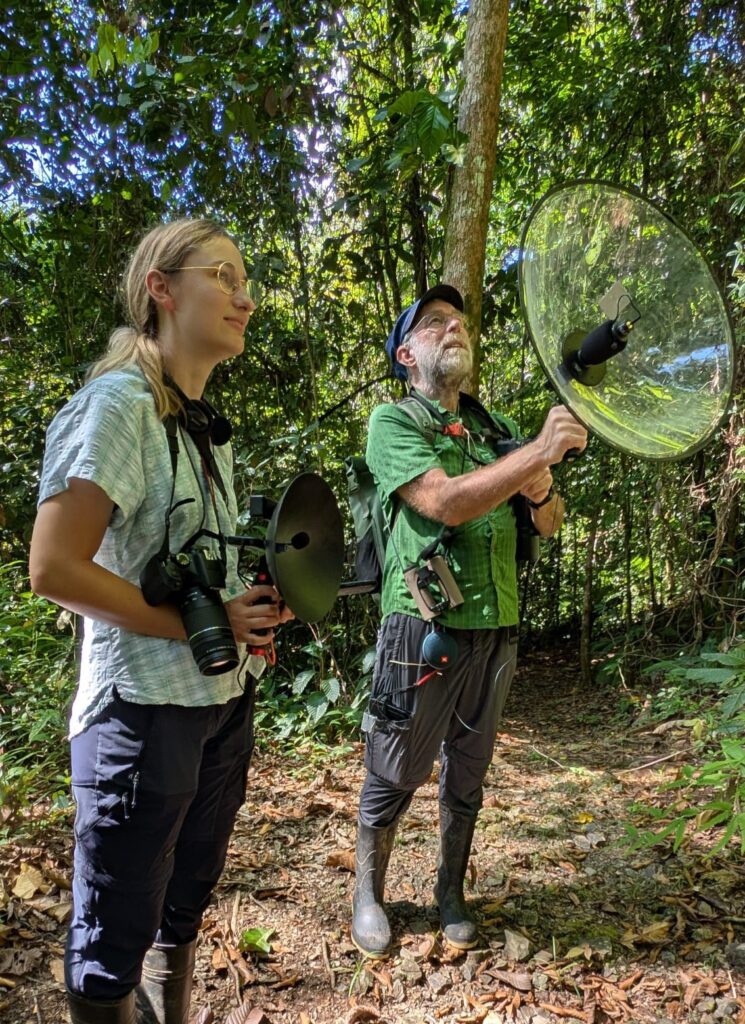
In the heart of the tropical rainforest, in the early morning hours: the air is warm and humid, and in the rising mist the outlines of the surroundings appear only faintly. Everywhere you hear a multi-voiced concert of bird calls and other sounds of the forest. This very soundscape is at the heart of an extraordinary research project: in La Gamba, Costa Rica, the rainforest is not only observed—it is heard.
The forest speaks—and we’re learning to listen
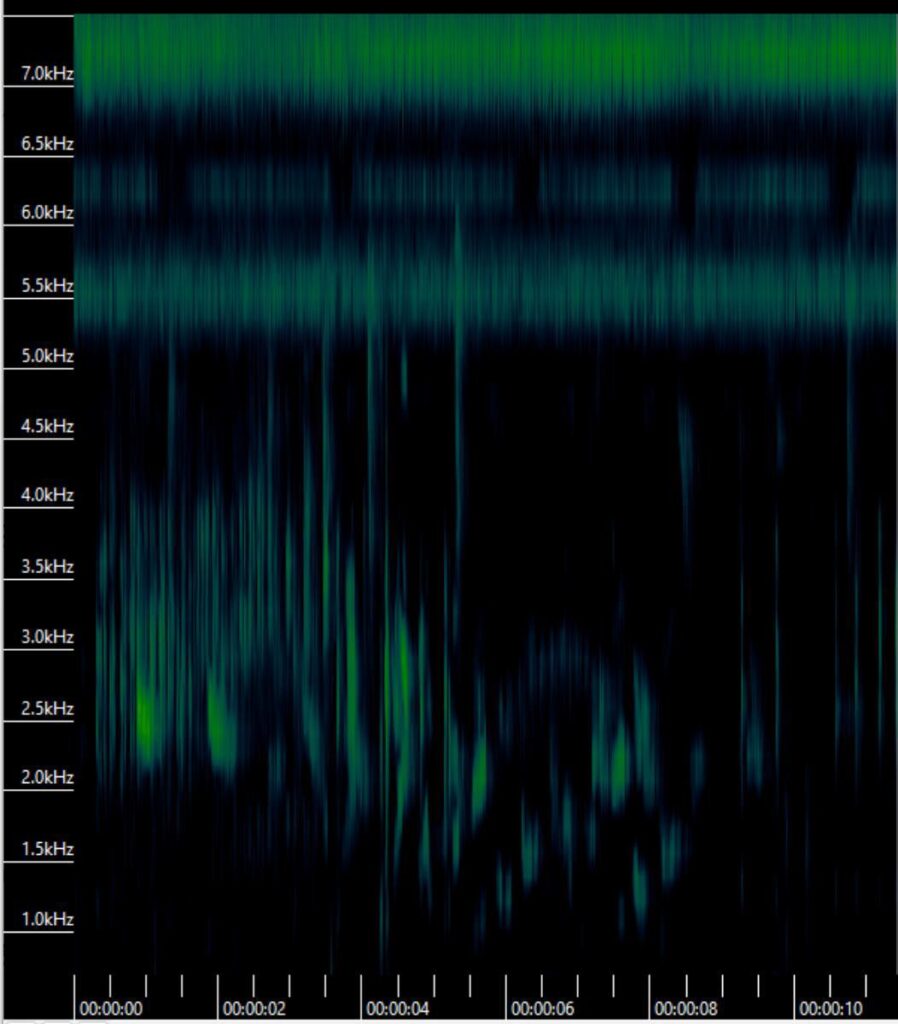
In the “PamLaGam 2025+” project, the rainforest is studied using so-called bioacoustic methods. That means researchers systematically record animal sounds to draw conclusions about biodiversity and the condition of the ecosystem.
Why bird calls of all things? Quite simply: birds are key players in the rainforest. Many of them disperse seeds and actively contribute to reforestation. Their presence—or absence—reveals a lot about how healthy a forest is.
High-tech in the jungle
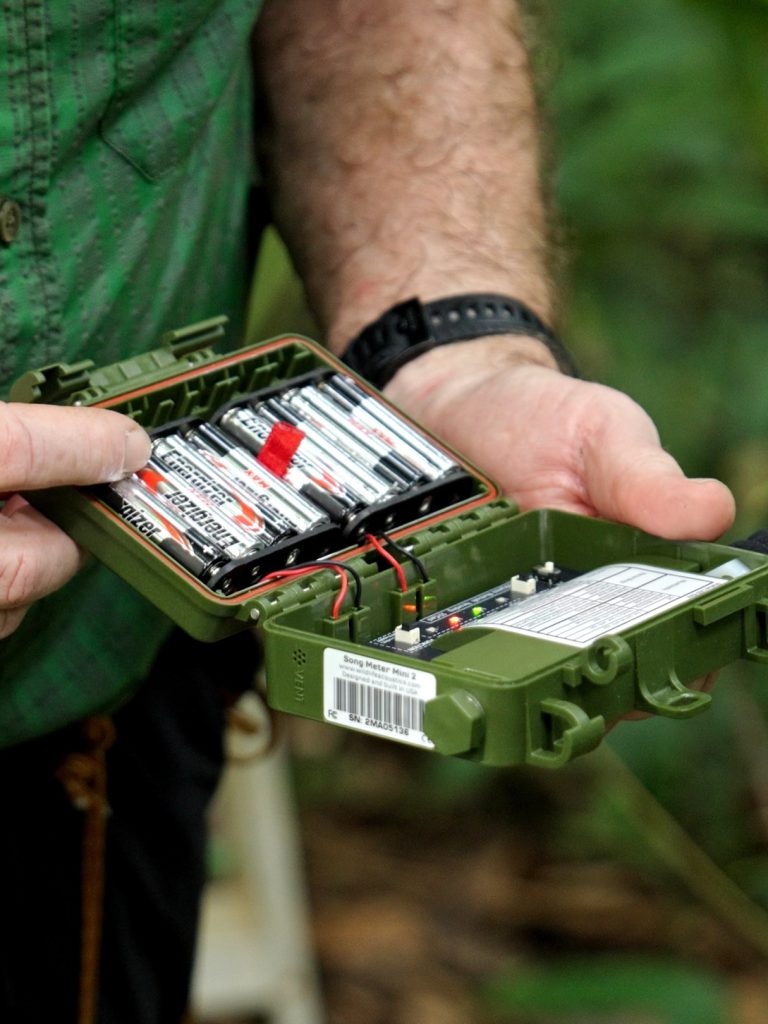
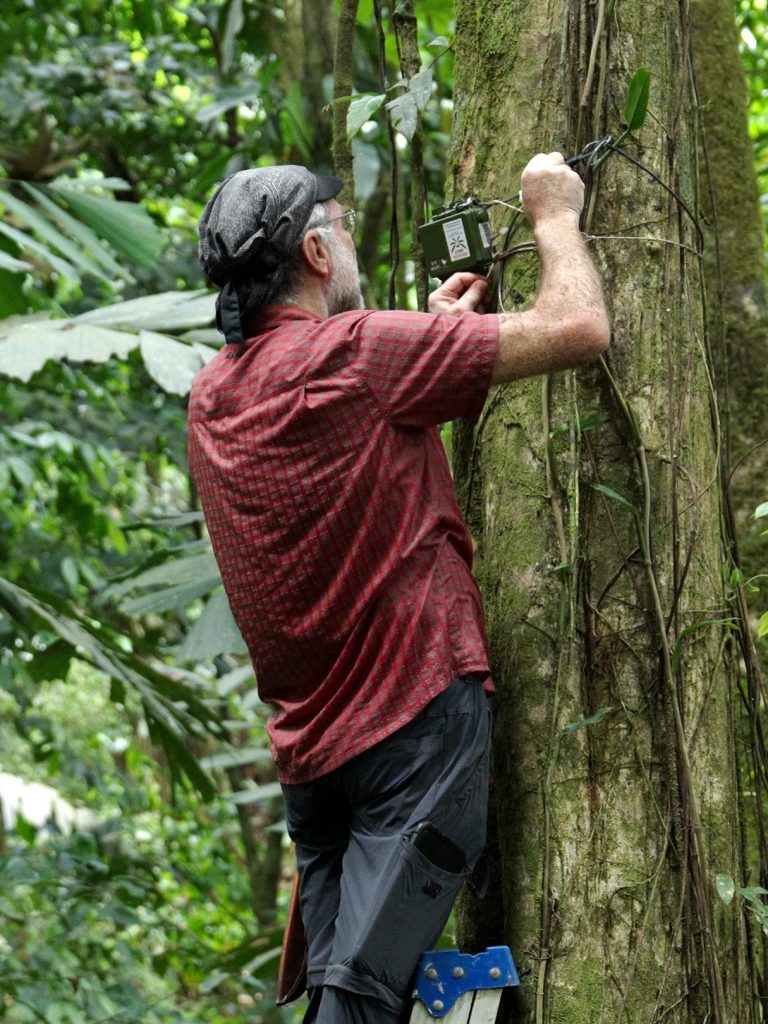
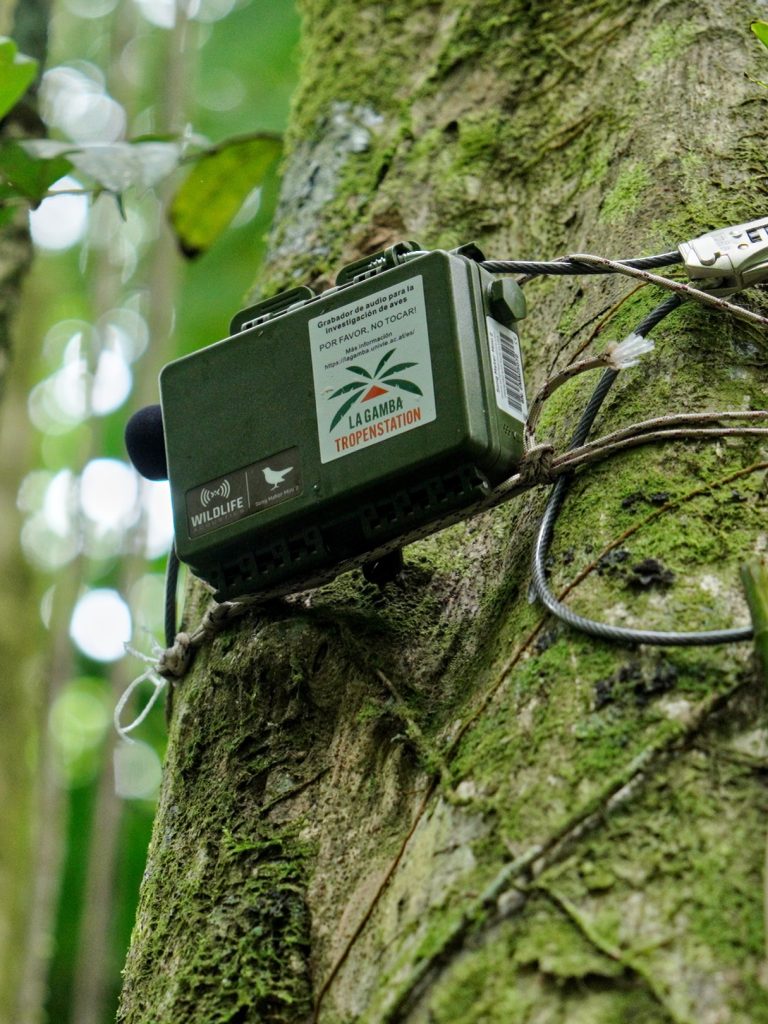
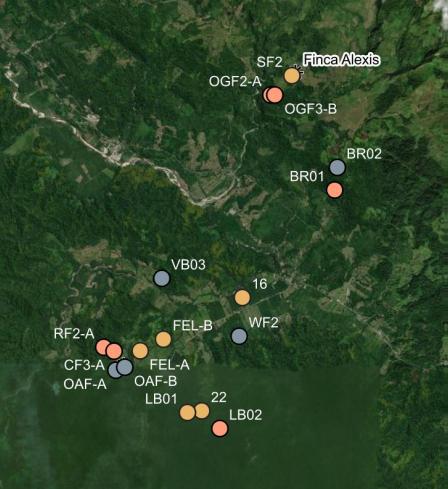
A total of 26 recording devices were installed at 13 locations—small, weatherproof “ears” that listen around the clock. Every ten minutes, they record one minute of the forest’s sound. This has already produced an incredible amount of data:
- more than 400,000 audio recordings
- almost 7,000 hours of forest sound
These recordings are then analyzed with the help of Artificial Intelligence (AI). The software identifies bird species by their calls—similar to an app that recognizes songs, only far more complex.
Surprising findings
Even the first analyses provide fascinating insights:
- A total of 157 bird species have been recorded.
- Pigeon species and characteristic songbirds of the region are especially common.
- Surprisingly: young forests are richer in species than old primary rainforests.
That may sound paradoxical at first, but it can be explained: young and so-called secondary forests (forests that have regrown after clearing) offer a greater variety of habitats—from open areas to dense vegetation. This means more species find suitable conditions. The original primary forest, on the other hand, is more stable but more specialized—fewer species live there, but they are often highly adapted.
A look into the forest’s future
A new site is especially exciting: an area that currently isn’t forest at all. Here, monitoring begins before reforestation. This opens up a rare opportunity: for the first time, you can track step by step how a forest develops—and how birdlife responds.
In the long term, this will help answer:
👉 Which measures really help create functioning forest corridors?
👉 How do animals “move” through these newly created habitats?
Challenges in the real jungle
As fascinating as the technology is, the reality in the rainforest remains demanding: extreme humidity damages equipment, ants chew through sensitive components, batteries drain faster than expected, and sometimes devices simply disappear due to theft. But this is exactly where the project’s pioneering spirit shows: with improvised protective roofs, technical adjustments, and a lot of on-site effort, solutions are continually found.
Why all of this matters
The rainforest is one of the most species-rich ecosystems on Earth—and at the same time one of the most threatened. Projects like this provide crucial foundations for protecting it more effectively. Because if you understand what a real primary rainforest sounds like, you can also recognize when something is out of balance.
In short:
This project makes the invisible audible—and turns bird calls into valuable data for conservation. It shows that modern technology and dedicated research can together create a new way of accessing nature.
And maybe it changes our perspective, too:
On our next walk in the woods, we won’t just hear sounds—we’ll hear a story.