

Our Objectives
What We Stand For
Habitat for All
A Shared Opportunity
While natural habitats for animals and plants are drastically declining worldwide and the global climate is changing rapidly, we are committed to a solution: the sustainable protection of the rainforest in southern Costa Rica.
Our activities integrate climate and species conservation, as well as close collaboration with the local population and the promotion of science in the region—because only together can we make a difference!
A Biological Corridor Connects Two National Parks
From the Pacific Coast to Remote Mountain Regions
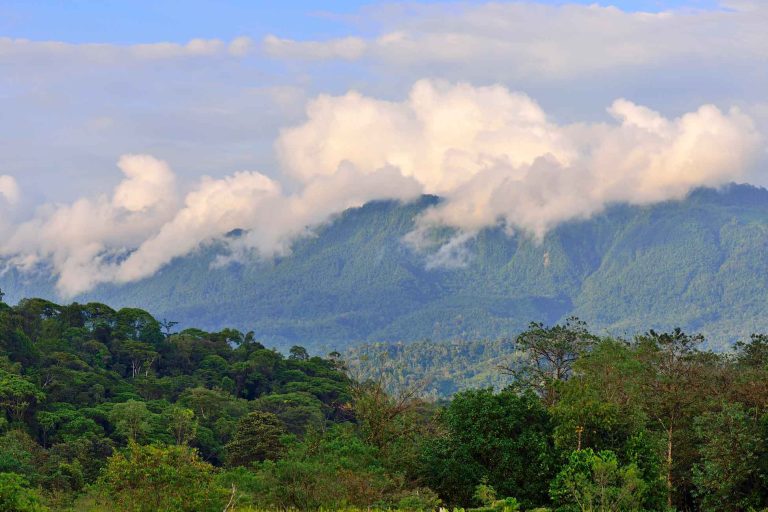
The Esquinas Forest was once connected to the Fila Cruces (also called Fila Cal), a 1,700 m high forested mountain ridge. Today, the forest is interrupted by agricultural land or abandoned pastures; the resulting “forest islands” suffer from species impoverishment. Since 2010, our organization has supported the Tropical Station La Gamba in implementing the COBIGA project (Corredor Biológico La Gamba) with the following goals:
- maintaining biodiversity by connecting isolated forest areas
- reducing the greenhouse gas CO2 through long-term storage in biomass
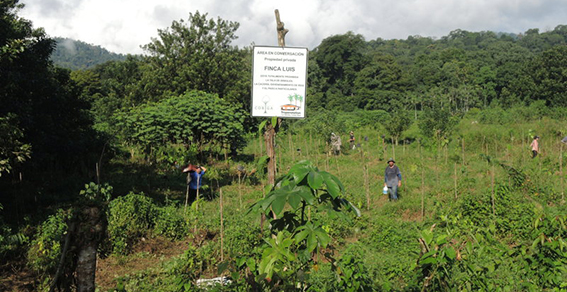
To achieve these goals, both land purchases and reforestation are necessary. Since 2016, the Tropical Station has been solely responsible for the COBIGA project.
Donations to Regenwald der Österreicher are forwarded to the Tropical Station for designated purposes. We receive an annual report on the use of donations.
Species Conservation Protects All Living Beings
Only a Holistic Ecosystem Is Resilient
In 1991, the Esquinas Rainforest was officially protected as Piedras Blancas National Park. Nevertheless, there are still problems with poaching and illegal logging in this area. To counter this, we have supported the work of park rangers, also known as “Guardaparques,” in Piedras Blancas National Park since June 2003. We currently fund the salaries of two park rangers and one administrative staff member working at the national park stations in La Gamba and Río Bonito.
The main task of the “Guardaparques” is to combat illegal activities in the rainforest such as hunting, logging, coastal fishing, river pollution, gold panning, or the intrusion of illegal settlers into the rainforest. In addition, the rangers are responsible for maintaining trails, buildings, and park boundaries, as well as managing camera traps. Their work is crucial for protecting this valuable ecosystem.
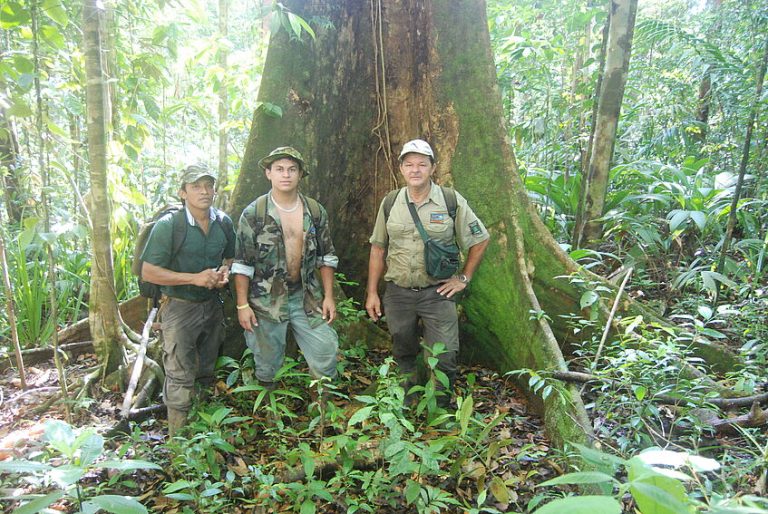
The monthly gross salary of a ranger is €1,524 (CRC 861,190). The salary for an administrative staff member is €1,310 (CRC 740,379), including administration by Fundación Corcovado, allowances, social, health, and accident insurance. In total, we need €52,300 per year for 2 rangers and 1 administrative staff member. We urgently need your help to ensure rainforest protection.
We have had a long-standing friendship and collaboration with the Corcovado Foundation since 2003. This environmental organization is primarily dedicated to projects on the Osa Peninsula and is responsible for employing our rangers.
A particularly successful project focuses on the protection of sea turtles on the Pacific beaches of the Osa Peninsula and in the central Pacific. Turtles are tagged, biometric data is collected, egg-laying is monitored, and nests are cared for by volunteers. Newly hatched baby turtles are gently released into the ocean to return them to the wild.
The efforts are primarily directed at the Punta Mala – Playa Hermosa Wildlife Reserve in the central Pacific. The project to restore a healthy sea turtle population is funded through donations for species conservation.
More information: http://www.corcovadofoundation.org/sea-turtle-conservation/
From 2010 to 2014, we supported the work of the Yaguará organization with a total of $53,000. Its goal was to secure the population of wild cats in southern Costa Rica (Osa Peninsula, Regenwald der Österreicher) through targeted measures. With our donations, camera traps and radio collars were purchased, compensation was paid to farmers, and educational work in schools and communities was supported.
We have decided to support the wildcat program of Osa Conservation (http://osaconservation.org/category/wildcats/) and to acquire camera traps that will be set up in the vicinity of the Esquinas Rainforest Lodge and the Tropical Station La Gamba. The advantage is that the data can be analyzed by our staff on site. We hope to regularly publish interesting and informative photos of the mammals of the Austrian rainforest.
The foundation “Fundación para la Restauración de la Naturaleza,” operated by the private Zoo Ave near San José, started a breeding program for Scarlet Macaws in 1996. The goal was to reintroduce these nearly extinct parrots to their natural habitat. Piedras Blancas National Park (Regenwald der Österreicher) was selected as the most suitable location for releasing the macaws after an intensive search. The organization donated a 13-hectare property near Playa San Josecito on the Golfo Dulce to the foundation. At the end of 1998, five aviaries, a field kitchen, and two simple prefabricated houses for the biologists were built there.
The first macaws were soon brought there, where they learned to fly in the aviaries and regained their flight abilities. Their diet was gradually switched to wild fruits from the surrounding area, and their social behavior was observed daily by zoologists. Each year, the population was expanded by 10 to 15 macaws.
In November 2008, the hundredth macaw was released. The project exceeded all expectations. Originally, the survival rate of the released birds was estimated at 50%, but more than 80% of the macaws have survived life in the wild and some have already produced offspring. The macaws leave their roosting sites at sunrise, spend the day in the almendro trees along the coast, and return only at sunset. The birds fly as far as Río Esquinas to the north and to Golfito to the south—a distance of 20 kilometers. The rangers of the national park administration regularly bring confiscated parakeets and parrots to the release station.
Between 1998 and 2000, an ocelot and several margays (tree ocelots) were released by the wildcat organization Pro Felis. But confiscated capuchin monkeys, coatis, raccoons, caimans, and turtles also found a new home in the Regenwald der Österreicher. Regenwald der Österreicher supported the release projects from 1998 to 2008 with more than $50,000.
Support for the Local Population
From Poacher to Nature Guide, From Logger to Gardener
The village of La Gamba, in the immediate vicinity of Piedras Blancas National Park (Regenwald der Österreicher), was founded around 1950 as a social resettlement project of the state Instituto Desarrollo Agrario (IDA) during the “banana boom” era. Today, about 400 people from approximately 70 families live in the village, many of whom do not have a primary school diploma, and only a few attended secondary school. Politically, La Gamba belongs to the Golfito district. The community’s main problems are high unemployment due to lack of education, crime and drugs, poaching, lack of public transportation, low living standards, hygiene (wastewater disposal), and flooding. Many residents have to commute longer distances to their workplaces daily. In La Gamba, the Esquinas Rainforest Lodge and the Tropical Station La Gamba (together up to 30 jobs) are the most important employers.
A ten-year project by Austrian Development Cooperation (EZA) from 1995 to 2005 aimed to develop La Gamba into an independent community and address the social, economic, and ecological crisis. The main components were self-governance, sustainable management, and the establishment of independent small businesses. A democratization process was to take place to give all residents a say in community projects. The Asociación Probienestar de La Gamba (ASOPROBI) is the first democratically elected community committee with departments for agriculture, health, security, education, roads, youth, sports, and water. These institutions still exist today for the benefit of the residents.
When the development aid project of the Republic of Austria ended in 2005, the Esquinas Rainforest Lodge established the “La Gamba Fund” with the goal of improving the population’s living standards by supporting community projects. The original deposit of $200,000 came from the sale of the Esquinas Rainforest Lodge. Since 2005, the Regenwald der Österreicher organization has contributed an additional $22,000. Projects are submitted by the community committees and reviewed by representatives of the Esquinas Rainforest Lodge, Regenwald der Österreicher, and the Tropical Station La Gamba. Projects that benefit the entire community are preferred; neither individual projects nor loans are funded from the fund. The projects are carried out by the individual committees, which are also responsible for financial processing and accounting.
Until 2005, only 50% of the drinking water reached the center of La Gamba, and water pressure was very low due to leaky water pipes and tanks. The first major project of the La Gamba Fund was the renewal of the water supply for 62 houses in the village center. New springs were tapped, new cisterns were built, and defective pipes were replaced.
Other projects since 2005 included the renovation of the primary school, the community hall, and the health station, the construction of a covered children’s playground, the construction of a police station, and the planting of trees on Finca Amable. By the end of 2013, the La Gamba Fund’s resources were exhausted.
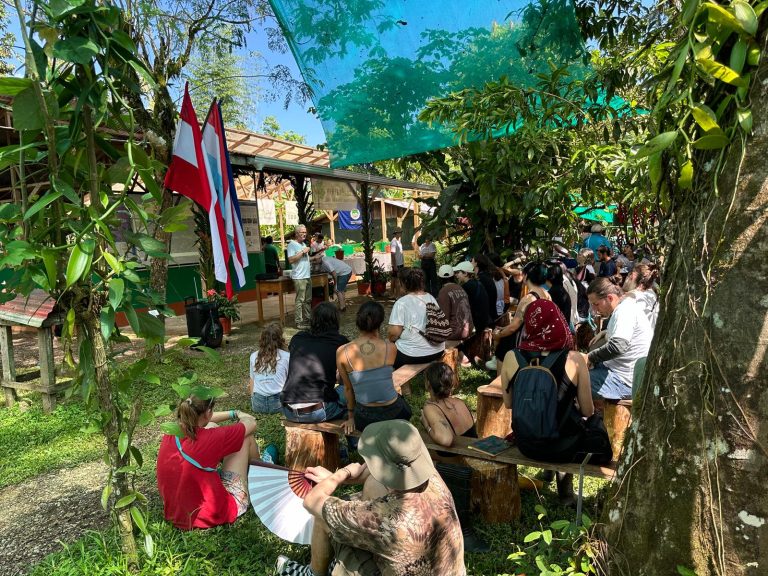
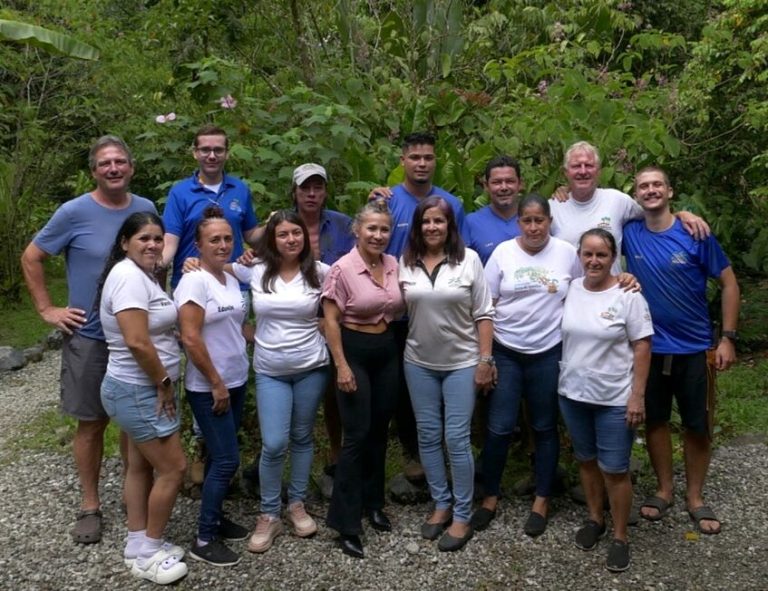
Understanding Protects
Science for Conservation
The Tropical Station La Gamba is a research, teaching, and training institution of the University of Vienna on the edge of the Regenwald der Österreicher in Costa Rica. Located in one of the most species-rich lowland rainforests in Central America, it offers ideal conditions for field research, courses, and seminars as the world’s only tropical research station under German-speaking management.
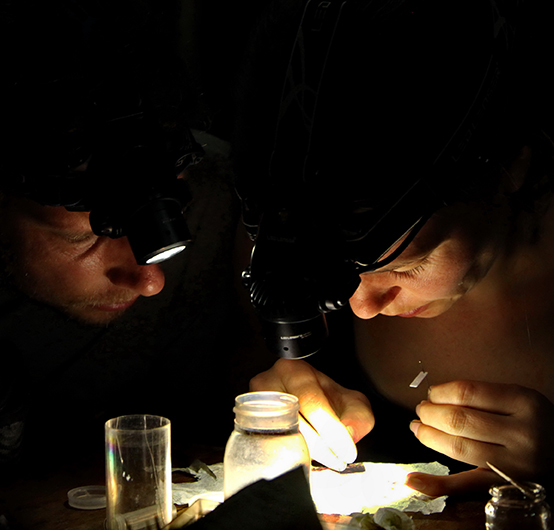
It enables investigations into biodiversity and the functioning of entire ecosystems, with special attention to biotic interactions, e.g., between plants and animals, or unusual reproductive systems. The station garden and the reforestation areas of the COBIGA project also offer opportunities for controlled experimental investigations under near-natural conditions.
The Regenwald der Österreicher organization is a close cooperation partner of the Tropical Station La Gamba and also supports ambitious young researchers annually in their scientific surveys.
All information about the station and scholarships can be found at www.lagamba.at.
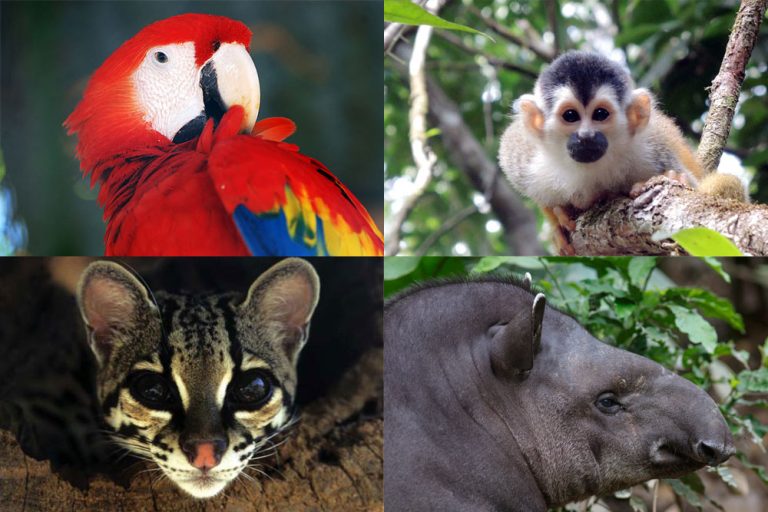
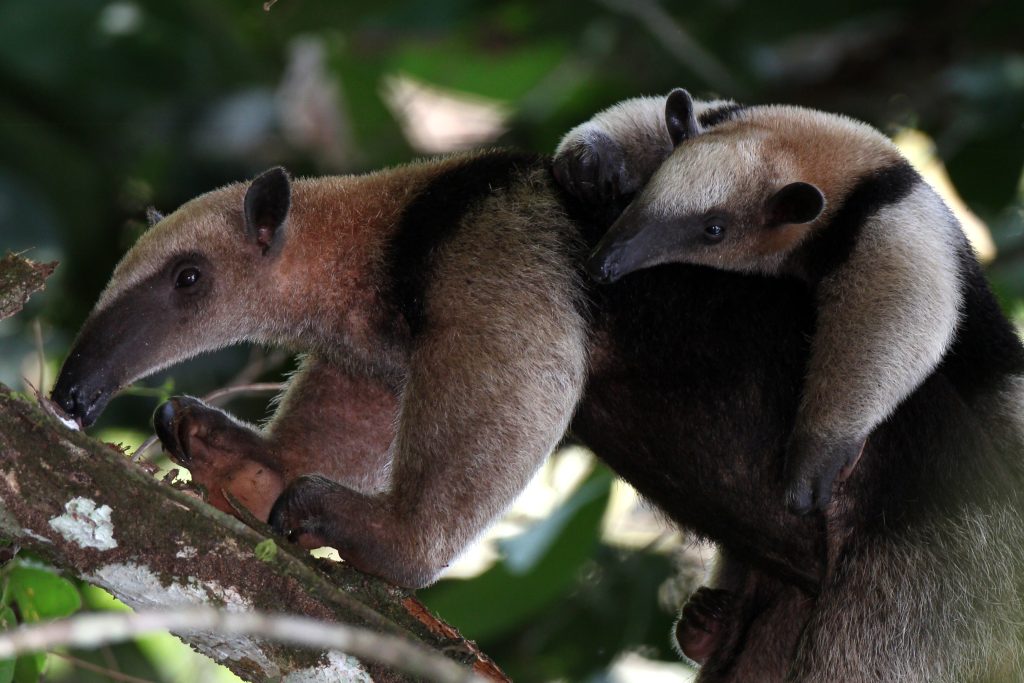
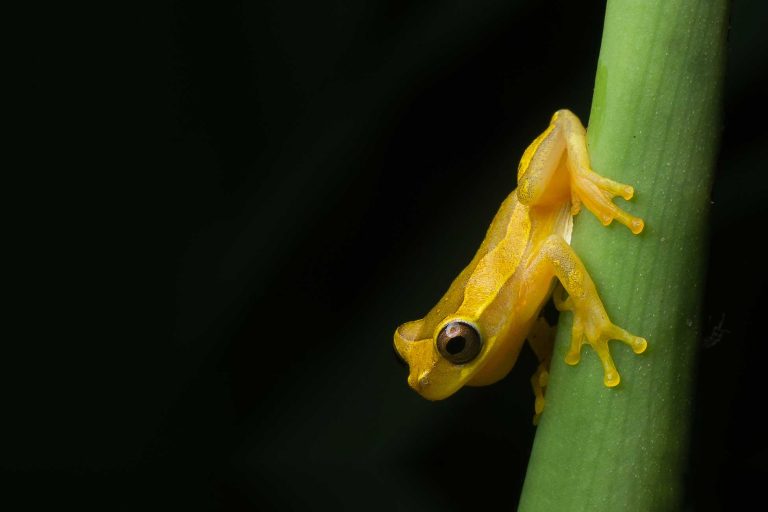
The Regenwald der Österreicher is considered a biodiversity hotspot. Many animals still live here that are on the endangered species lists of IUCN and CITES: jaguars, ocelots, pumas, three monkey species, rare birds, anteaters, tapirs, armadillos and numerous reptiles and amphibians.
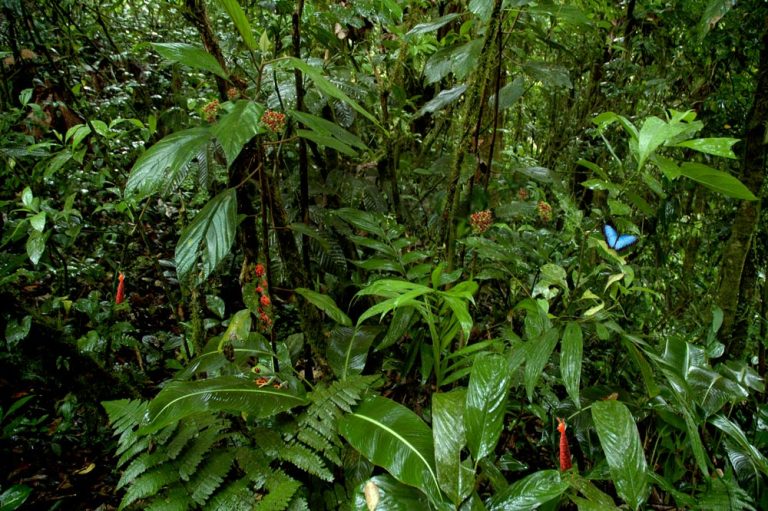
Our vision is a continuous rainforest from the Fila Cruces to the Pacific coast. Before trees can be planted, land must first be purchased. By participating in land purchases in the COBIGA Biological Corridor, you make an important contribution to protecting the rainforest.
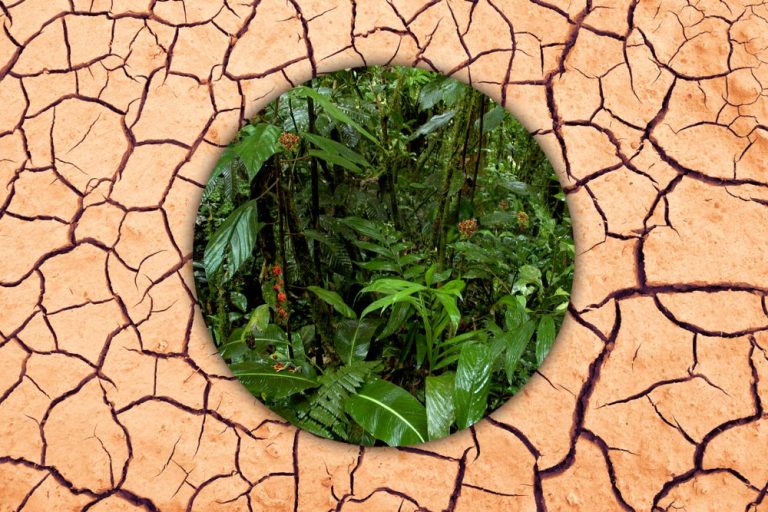
Reduce your ecological footprint and offset your personal CO2 emissions (e.g., the CO2 emissions from your last flight or your total CO2 emissions within a calendar year) by donating for the cultivation, planting, and care of rainforest trees.